Origin of Zohiko
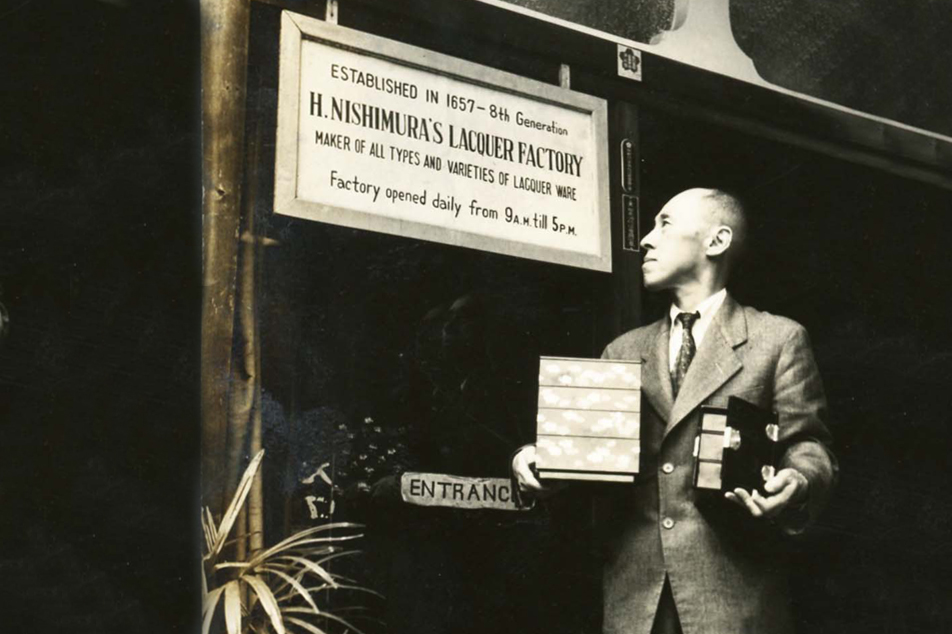
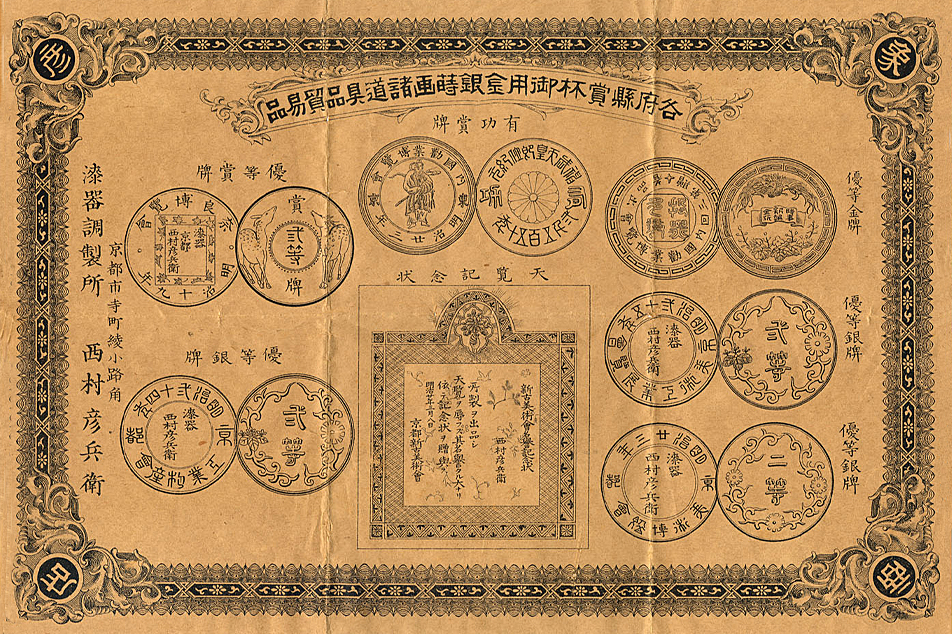
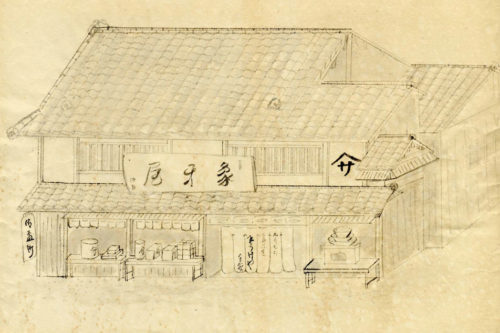
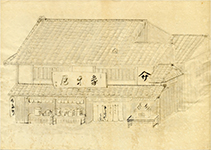
In 1661 (the 1st year of Kanbun), Zoge-ya, the predecessor of Zohiko, started its operation to sell¬ lacquer goods for daily use. Nishimura Hikobei III was the master craftsman who was granted the title, “Makie-tsukasa” (master of maki-e—an Urushi lacquer technique that involves sprinkling gold and/or silver powder on lacquer), by the Emperor. In his later years, he created the maki-e panel “Fugen Bodhisattva on a white elephant”. Its beauty attracted lots of people in Kyoto, and they called it the “Zohiko panel” (“Zo” from “Zoge-ya” and “Hiko” from “Hikobei”). Since then, the nickname “Zohiko” has been familiar to everyone.
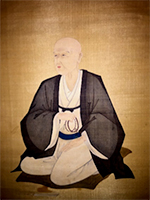 Kusunoki Jirobei III
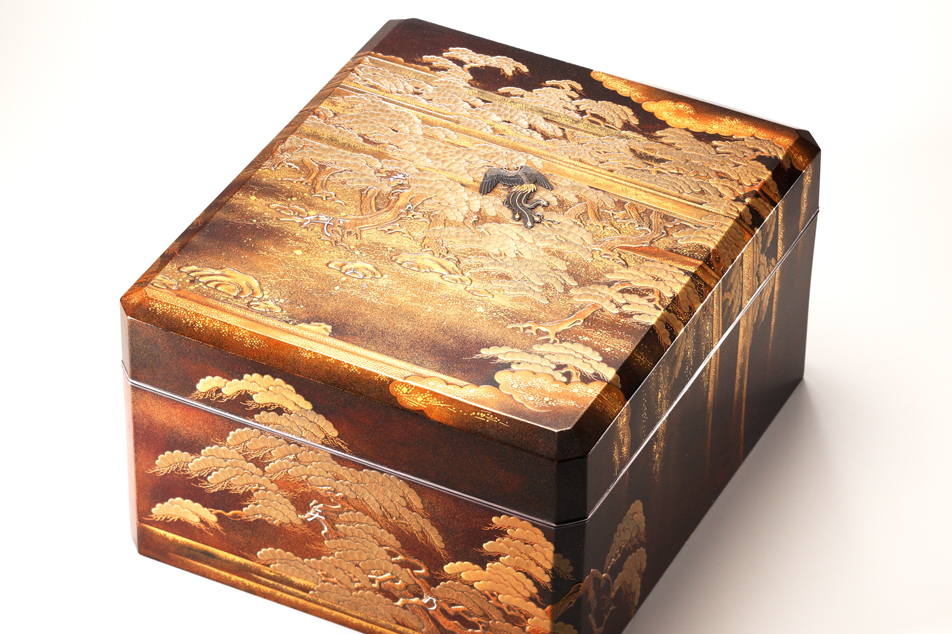
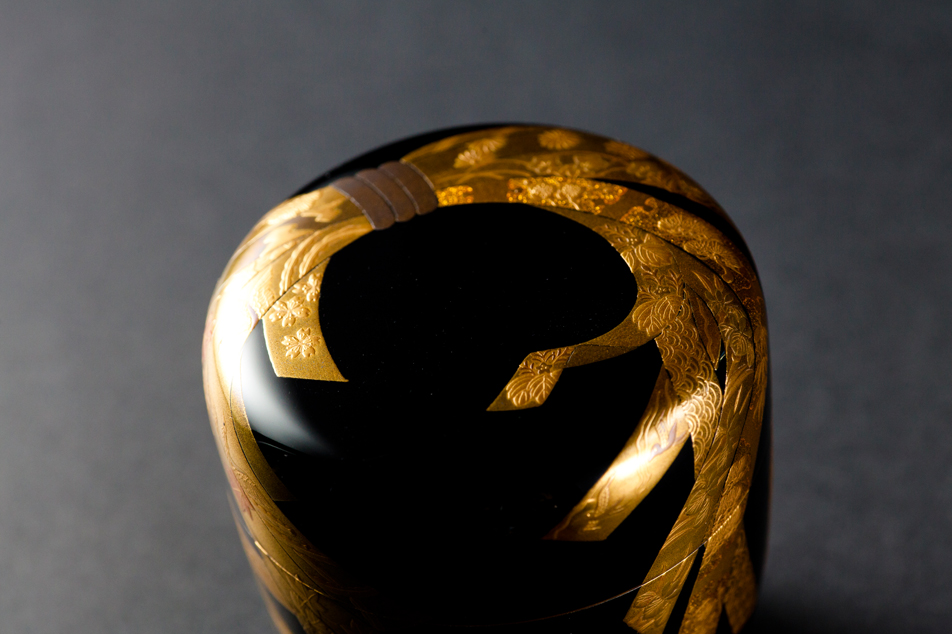
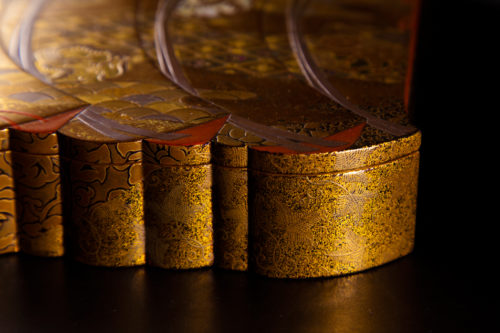
 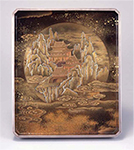 Hagoromo Maki-e Suzuri-bako (an inkstone case with the maki-e motif of heavenly nymph’s robe)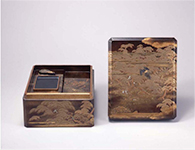
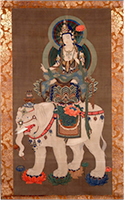 Fugen Bodhisattva on a white elephant
 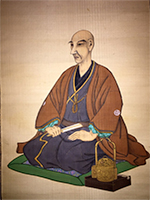 Nishimura Hikobei IV
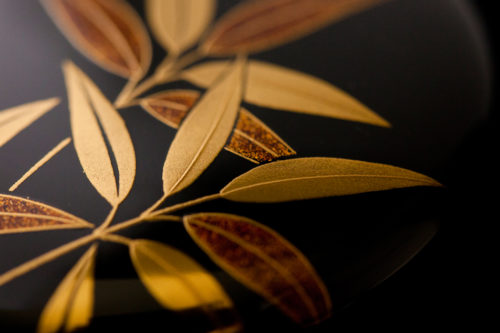
 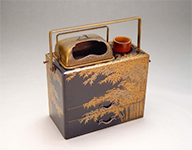 Chikurin maki-e konrei chodo zoroe (a set of wedding furnishing with maki-e motif of a bamboo grove)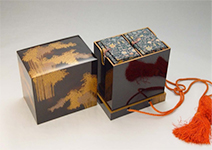
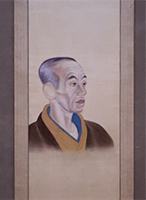 Nisimura Hikobei VIII
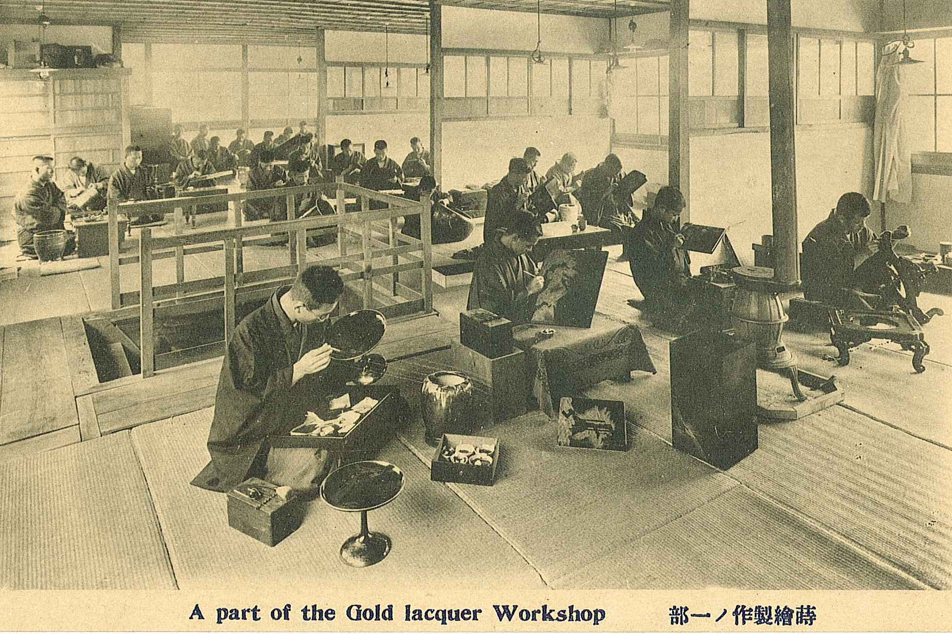
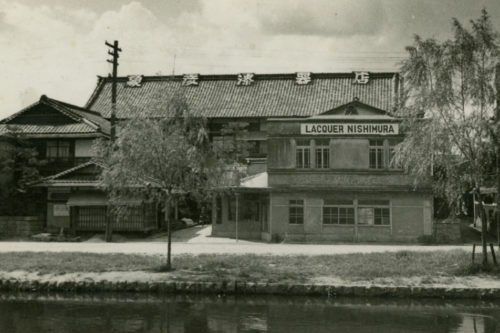
 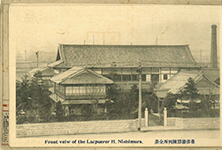 At the time of relocating to Okazaki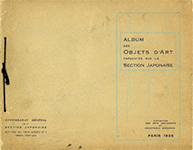
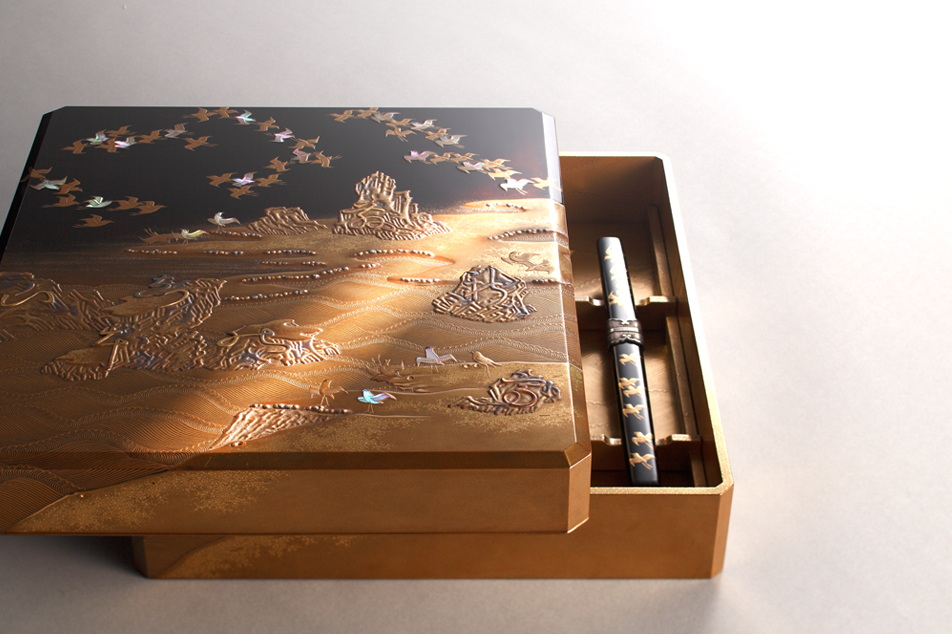
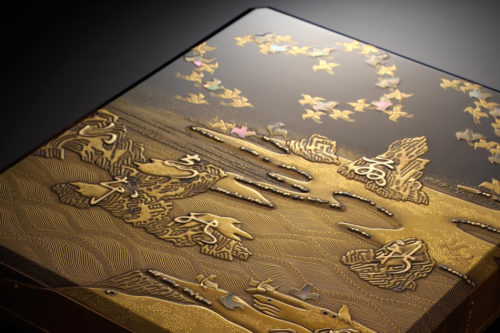
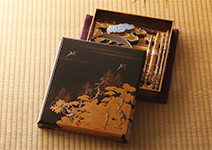 Ariake Maki-e Suzuribako—inkstone box with maki-e motif of Ariake
 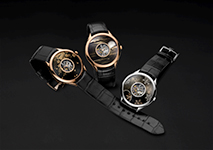 Limited edition series with Vacheron Constantin SA, Switzerland